





dadasd
21
2025.08
Dental Implant Success Rates in Different Bone Qualities: Insights for Digital Dentistry
The long-term success of dental implants is influenced by a confluence of factors, with the bone density at the recipient site standing as one of the most critical determinants. While surgical expertise, prosthetic design, and systemic patient health are paramount, the intrinsic structural quality of the alveolar bone fundamentally governs both primary stability and the ultimate implant success rate.
The advent of digital implant planning and computer-guided surgery has markedly enhanced procedural predictability, even in anatomically challenging or compromised bone. By comprehensively understanding bone classification systems, reviewing pertinent clinical evidence, and integrating advanced digital workflows, dental professionals can now achieve reliable, excellent outcomes across the full spectrum of bone qualities.
Understanding Bone Density Classifications: The D1–D4 Spectrum
The classification system established by Lekholm and Zarb remains the clinical benchmark for pre-surgical bone quality assessment:
· D1 (Dense Cortical Bone): Predominantly found in the anterior mandible, D1 bone offers exceptional primary stability due to its density. However, its relatively low vascularity can potentially slow the osseointegration process.
· D2 (Porous Cortical and Dense Trabecular Bone): Commonly encountered in the posterior mandible, D2 bone is often considered ideal for implant placement, providing an optimal balance of mechanical strength for stability and sufficient vascularity for efficient healing.
· D3 (Thin Cortical and Dense Trabecular Bone): Typical of the anterior maxilla, D3 bone supports osseointegration but necessitates meticulous surgical technique, including modified drilling protocols and strategic implant selection, to achieve adequate initial stability.
· D4 (Very Thin Cortical and Low-Density Trabecular Bone): Primarily located in the posterior maxilla, D4 bone presents the most significant surgical challenge due to its poor density, compromised primary stability, and an associated higher statistical risk of implant failure.
An accurate, pre-operative assessment of bone density is therefore indispensable for optimizing implant success rates and formulating an appropriate treatment plan.
The Impact of Bone Quality on Implant Stability and Longevity
Bone quality exerts a direct and profound influence on both phases of implant stability:
· D1 Bone: Exhibits very high success rates attributable to excellent immediate stability, though excessive insertion torque must be avoided to prevent ischemic necrosis.
· D2 Bone: Consistently demonstrates the most favorable long-term survival rates in clinical literature, representing the gold standard for predictable outcomes.
· D3 Bone: Requires adapted surgical protocols, such as osteotomy under-preparation ("bone compression") or the use of tapered implant designs, to enhance primary stability.
· D4 Bone: Correlates with reduced survival rates; successful treatment often mandates advanced planning, potentially including bone augmentation, and the use of specialized implant surfaces or designs.
Published data indicate that implant survival rates in D1 and D2 bone consistently exceed 95%, whereas in untreated D4 bone, success rates may decline below 80% without deliberate intervention.
A nuanced understanding of this correlation empowers clinicians to tailor both surgical and restorative protocols to the specific anatomical realities of each case.
The Role of Digital Planning and Guided Surgery in Enhancing Success Rates
The evolution of digital dentistry has provided powerful tools to mitigate the challenges posed by variable bone quality:
Digital Implant Planning
· Cone Beam Computed Tomography (CBCT) enables precise three-dimensional evaluation of bone density, volume, and topography.
· Specialized planning software allows for virtual simulation of implant placement, optimizing position, angulation, depth, and proximity to vital structures before surgery.
Computer-Guided Surgery
· Stereolithographically fabricated surgical guides transfer the digital plan to the operative site with high fidelity, minimizing surgical deviation.
· This technology is particularly valuable in D3 and D4 bone, where achieving planned primary stability is critical.
Customized CAD/CAM Prosthetics
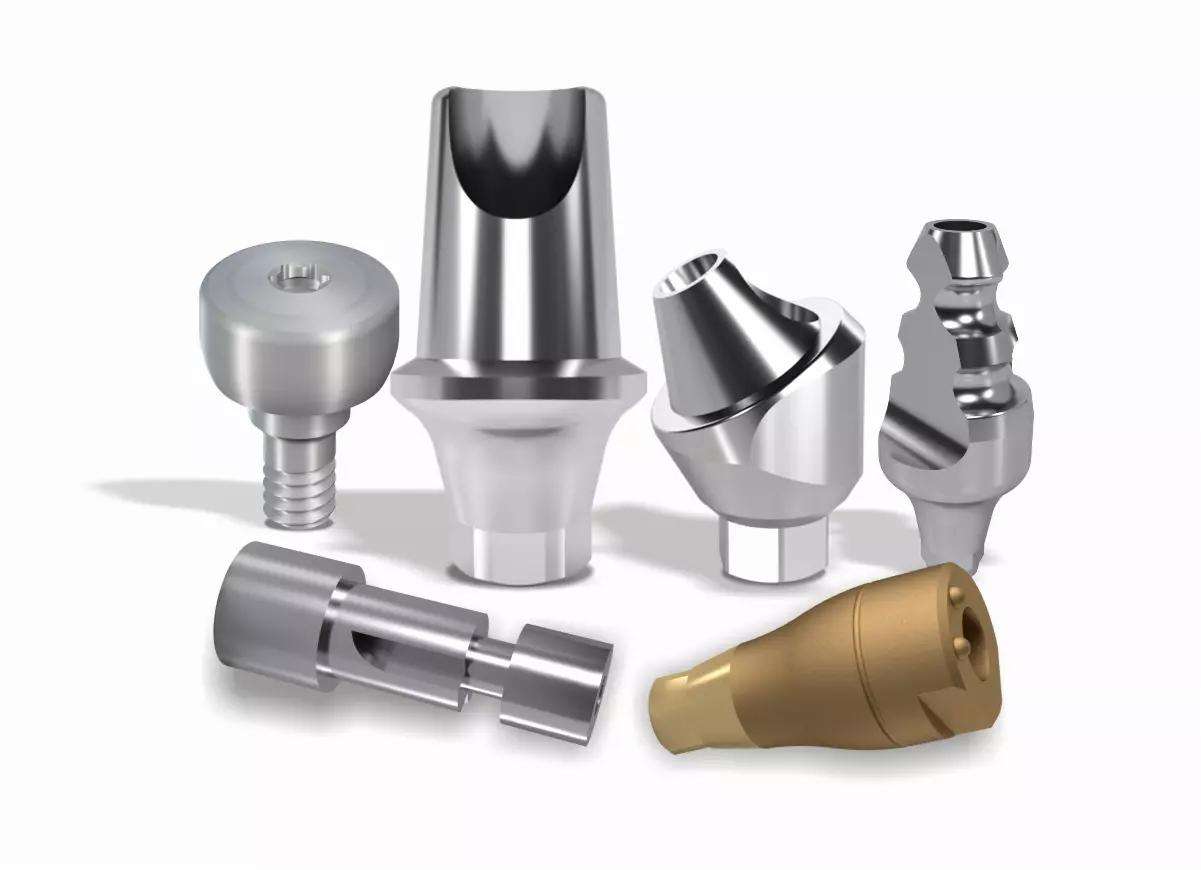
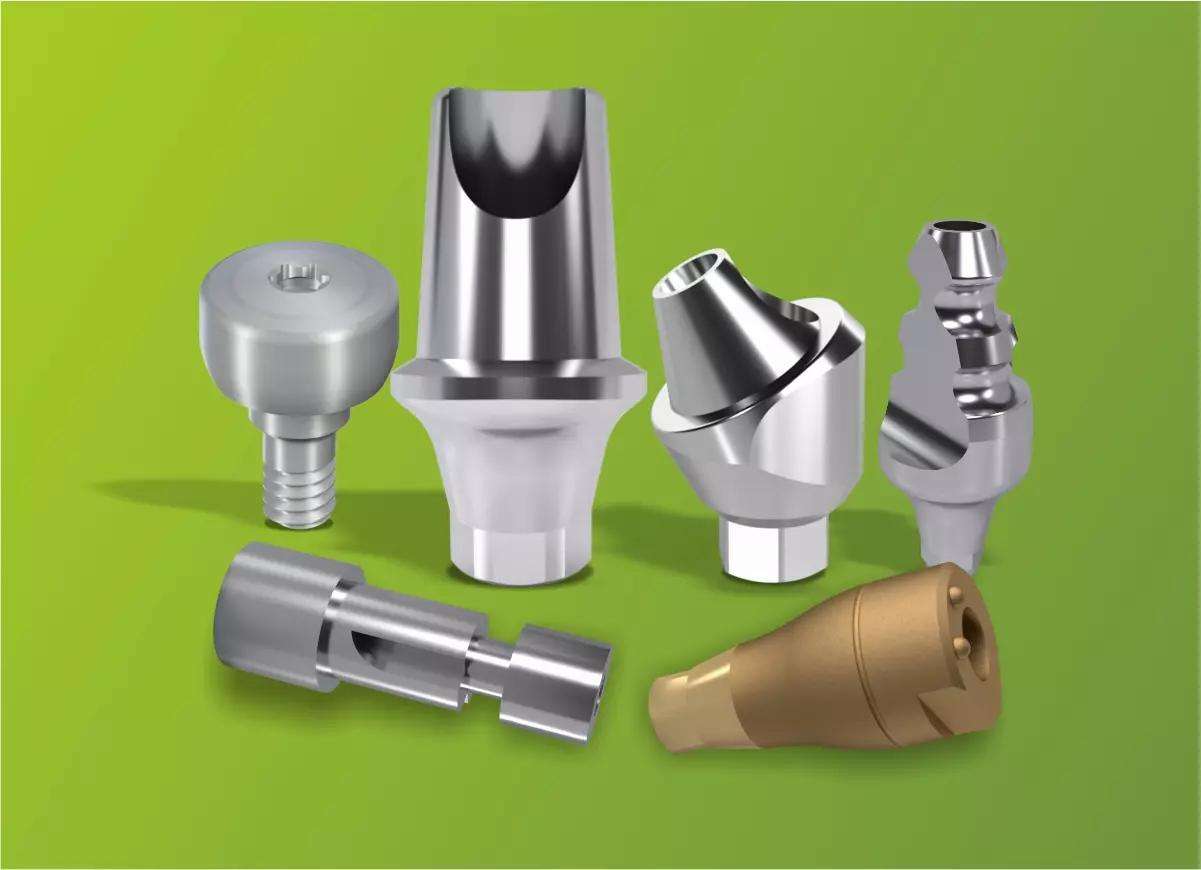
· Digital workflows facilitate the fabrication of patient-specific abutments and prosthetic frameworks, ensuring precise fit and promoting even distribution of occlusal forces.
· This customization is essential to reduce detrimental mechanical stress on implants placed in low-density bone.
The synergistic combination of detailed bone quality assessment with advanced digital planning significantly elevates implant success rates, even in clinically demanding scenarios.
A Review of Clinical Evidence and Literature
A substantial body of research underscores the definitive relationship between bone quality and implant survival rates:
· Seminal reviews, such as that by Jaffin & Berman, historically reported failure rates of less than 5% in D1/D2 bone, contrasting sharply with rates as high as 35% in D4 bone.
· Contemporary studies demonstrate that the application of guided surgery and digital implant planning has markedly improved outcomes in D3 and D4 bone classifications.
· Furthermore, evidence suggests that modern implant surface modifications—such as hydrophilic or nano-structured surfaces—can enhance the speed and quality of osseointegration in low-density bone.
Current clinical outcomes robustly indicate that modern digital methodologies effectively mitigate many of the risks historically associated with poor bone quality.
Practical Insights for Clinicians and Dental Laboratories
Achieving optimal implant outcomes across diverse bone types necessitates close collaboration between the surgical clinician and the restorative laboratory:
For the Clinician:
· Utilize CBCT imaging for definitive pre-operative bone density and volumetric assessment.
· Select implant designs specifically engineered for challenging bone (e.g., tapered body, increased diameter, aggressive thread design) when indicated.
· Implement guided surgical protocols for cases involving D3 or D4 bone to ensure precision.
For the Laboratory:
· Employ CAD/CAM prosthetics to guarantee passive fit and biomechanically favorable load distribution, thereby protecting the bone-implant interface.
· Deliver esthetically optimized restorations that do not compromise the fundamental requirements for mechanical strength and durability.
· Maintain proactive communication with the clinician regarding abutment selection, emergence profile, and occlusal scheme design.
This collaborative approach, underpinned by integrated digital workflows, is fundamental to achieving high implant success rates across all bone quality classifications.
The Role of Besmile in Advancing Digital Implant Dentistry
As a leading provider of CAD/CAM dental materials, precision implant prosthetics, and integrated digital solutions, Besmile is dedicated to supporting clinicians and laboratories in the pursuit of excellence in implant dentistry.
From accurately manufactured implant prosthetics and advanced CAD/CAM milling systems to esthetic finishing materials like specialized stains and glazes, Besmile offers a comprehensive portfolio designed to optimize both functional performance and visual perfection.
With Besmile as a partner, dental professionals can confidently address the complexities of variable bone density, ensuring consistently high implant success rates and superior patient satisfaction.
Conclusion
Bone quality remains a principal factor influencing dental implant success rates. While D1 and D2 bone offer a high degree of predictability, D3 and D4 bone present clinical challenges that demand sophisticated planning and contemporary technological solutions.
Digital implant planning, computer-guided surgery, and CAD/CAM restorative workflows now provide the tools to successfully navigate the limitations imposed by poor bone density. Supported by the expertise and solutions of trusted partners like Besmile, clinicians and laboratories can reliably deliver implant restorations that are not only durable and functional but also indistinguishable from natural dentition, even in the most complex clinical presentations.