





dadasd
19
2025.08
External versus Internal Staining: Comparative Analysis and Clinical Applications
In contemporary restorative dentistry, achieving lifelike dental esthetics with zirconia restorations extends beyond inherent material strength to encompass the precise management of color and shade integration. Two principal methodologies govern zirconia coloration: external staining and internal staining. While both techniques aim to replicate the nuanced translucency and chroma of natural dentition, they differ fundamentally in their application protocol, durability, and ultimate clinical outcome.
A thorough understanding of these staining techniques is indispensable for dental technicians, clinicians, and laboratory teams committed to delivering predictable, durable, and esthetically superior prostheses. Material science partners like Besmile, with their extensive portfolio of CAD/CAM dental materials, specialized coloring liquids, and integrated stain/glaze systems, provide the essential tools for reliable color reproduction and workflow consistency, empowering professionals to harmoniously unite function and beauty in every restoration.
Defining External and Internal Staining Techniques
External staining of zirconia denotes the application of pigmented stains or characterization glazes onto the surface of a fully sintered zirconia restoration. This technique is frequently employed for final shade refinement or to enhance specific surface characterizations, such as incisal halo effects or cervical saturation. Its primary advantage resides in its procedural flexibility; adjustments can be executed after the milling and sintering processes are complete, without compromising the restoration's structural integrity.
Internal staining of zirconia, also referred to as intrinsic or pre-sintering staining, involves the infusion of pigments into the zirconia matrix prior to the sintering cycle. This process allows color to permeate the material's internal structure, resulting in a deeper, more integrated, and inherently stable coloration that remains consistent even if the surface undergoes polishing or minor adjustments. Internal staining ensures exceptional long-term esthetic stability and is particularly indicated for anterior restorations where precise and enduring shade matching is paramount.
Advantages, Limitations, and Specific Clinical Indications
External Staining: Flexibility and Procedural Control
The principal benefits of external staining include:
· Immediate Post-Sintering Adjustability: Enables precise, on-demand shade matching to adjacent dentition.
· Streamlined Workflow Efficiency: Facilitates rapid turnaround times, particularly advantageous for single-unit restorations.
· Reduced Material Consumption: Utilizes pigment only where needed on the surface.
However, external staining presents certain limitations. As the pigment resides solely on the surface, any chipping of the zirconia crown or gradual wear of the glaze layer may expose the underlying substrate, potentially affecting long-term esthetics. The surface-applied color is also more susceptible to diminishment from abrasive polishing, occlusal wear, or exposure to acidic substances over time.

Primary Clinical Applications for External Staining:
· Posterior crowns or implant abutments requiring minor shade corrections.
· Single-unit restorations necessitating a fast clinical turnaround.
· Cases where technicians must fine-tune specific surface characterizations, such as incisal translucency or proximal color nuances.
Internal Staining: Depth, Integration, and Durability
Internal staining offers several distinct and compelling advantages:
· Uniform, Integrated Coloration: Color is distributed throughout the restoration, preserving esthetics even after occlusal adjustments or polishing.
· Authentic Optical Properties: Facilitates a natural gradient effect that closely mimics the light-scattering behavior of enamel and dentin.
· Superior Long-Term Durability: The intrinsic color is highly resistant to surface wear, fading, and chemical degradation, ensuring lasting beauty.
The primary constraint of internal staining is its relative inflexibility after sintering; color adjustments are not feasible once the cycle is complete. Achieving consistent, predictable results demands skilled technician expertise, high-fidelity coloring liquids, and meticulously controlled sintering protocols.
Primary Clinical Applications for Internal Staining:
· Anterior crowns, veneers, and other restorations within the high-esthetic demand zone.
· Full-arch prosthetic rehabilitations requiring unwavering shade consistency across multiple units.
· Cases where significant occlusal forces or potential for surface wear could compromise externally applied pigments.
A sophisticated hybrid methodology is increasingly adopted by advanced laboratories, combining internal staining to establish a stable, deep base shade with external staining to artfully apply final surface characterizations. This approach marries the durability of internal coloration with the artistic flexibility of external techniques.
Selecting the Optimal Staining Method: A Clinical Decision Framework
The choice between staining methods should be guided by a structured evaluation of case-specific factors:
· Esthetic Priority: Restorations in high-visibility anterior regions typically benefit from the depth and stability of internal staining.
· Clinical Workflow Requirements: External staining offers superior adaptability and speed for single-unit cases or those requiring immediate adjustments.
· Technical Proficiency and Laboratory Capability: Internal staining necessitates a higher degree of technical skill and rigorous process control.
For optimal outcomes, clinicians should provide laboratories with accurate digital impressions, standardized shade photographs under consistent lighting, and detailed occlusal records. A synergistic collaboration between the prescribing dentist and the executing laboratory is essential to ensure the selected staining strategy aligns perfectly with the patient's esthetic expectations, functional demands, and desired restoration longevity.
Technical Execution and Collaborative Patient Care
For the dental technician, mastering staining techniques represents a confluence of artistic sensibility and material science. The success of zirconia coloration is contingent upon the selection of premium CAD/CAM dental materials, consistent coloring liquids, and compatible stain/glaze systems. The quality and compatibility of these components directly influence final color accuracy, translucency gradient, and surface texture.
Besmile enables excellence in both staining paradigms through a comprehensive solution set:
· Pre-colored and tintable zirconia blanks for reliable intrinsic staining workflows.
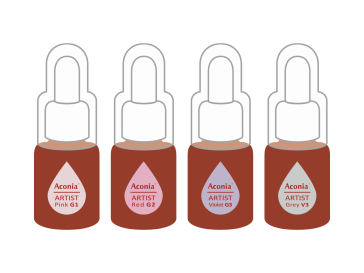
· High-pigment-density external coloring liquids and characterization stains for nuanced surface detailing.
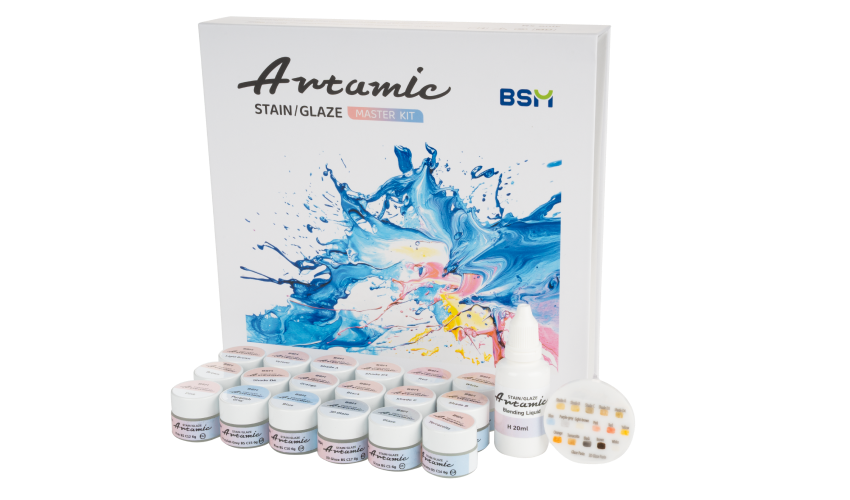
· Integrated stain and glaze kits formulated to deliver enduring esthetic results and a protective surface layer.
These products, when applied within well-defined sintering and finishing protocols, guarantee predictable and reproducible color outcomes and seamless integration into digital production chains. Besmile's solutions empower dental laboratories to consistently meet patient expectations while minimizing the need for clinical adjustments or remakes.
From the patient's perspective, appropriate maintenance is crucial for preserving the restoration's esthetics. Recommendations should include gentle oral hygiene practices, the use of non-abrasive toothpaste, and moderation in the consumption of highly acidic or pigment-rich foods and beverages. Regular professional examinations allow for the periodic polishing or re-glazing of restorations as needed, ensuring sustained beauty and optimal function over time.
Fostering Effective Dentist-Technician Collaboration
Achieving impeccable shade matching is inherently a collaborative endeavor, founded upon:
· Clear Communication: Explicit sharing of patient expectations, high-quality digital data, and functional parameters.
· Process Documentation: Meticulous recording of material systems, specific pigments, and staining methodologies employed for each case.
· Continuous Feedback: Regular case reviews and outcome discussions to iteratively refine laboratory protocols and enhance color consistency.
While internal staining provides a robust foundation of durability, external staining allows for final customization and characterization. A coordinated approach that strategically combines both techniques within a unified clinic-laboratory workflow yields the most optimal balance of enduring function and captivating esthetics.
Besmile underpins this essential collaboration by supplying fully compatible materials, targeted educational resources, and holistic workflow support. This enables dental teams to optimize every stage of zirconia restoration production, from digital design to final clinical delivery.
Conclusion
Both external and internal staining techniques hold vital and complementary positions in modern restorative dentistry. External staining offers unmatched procedural flexibility, efficiency, and capacity for refinement, whereas internal staining provides exceptional color depth, inherent stability, and long-term esthetic fidelity. By discerning their distinct attributes and judiciously selecting the appropriate method for each clinical scenario, dental technicians and clinicians can consistently deliver restorations that excel in both mechanical performance and visual harmony.
A partnership with a trusted material science provider like Besmile ensures access to superior CAD/CAM zirconia, precision coloring systems, and durable stain/glaze solutions. This foundation enables the predictable creation of durable, esthetically outstanding results for patients. Through meticulous planning, skilled application, and sustained interdisciplinary collaboration, dental teams can reliably achieve the zenith of outcomes in the art and science of zirconia coloration.